

Resin sand reclamation plants are well - known in the foundry industry for their ability to reclaim used resin - bonded sand. As a leading supplier of resin sand reclamation plants, I often get asked the question: Can a resin sand reclamation plant be used for reclaiming other types of sands? In this blog, I will explore this topic in depth and provide some insights based on our experience in the field.
Understanding the Basics of Resin Sand Reclamation
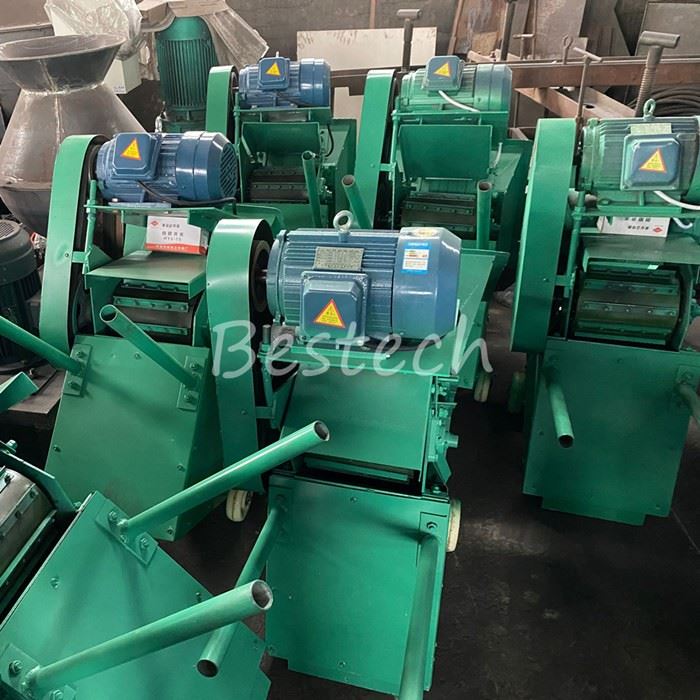
Before delving into whether a resin sand reclamation plant can handle other sands, it's crucial to understand how these plants work. A resin sand reclamation plant is designed to remove the resin and other contaminants from used resin - bonded sand. The process usually involves multiple stages, including mechanical scrubbing, thermal treatment, and separation.
The mechanical scrubbing stage uses friction to break the resin coating on the sand grains. This is often achieved through the use of rotating drums or special scrubbing equipment. Thermal treatment, on the other hand, involves heating the sand to a high temperature to burn off the resin. The separation stage then separates the clean sand from the removed resin and other impurities.
Feasibility of Reclaiming Other Sands
Green Sand
Green sand is a mixture of sand, clay, water, and sometimes additives. It is widely used in the foundry industry for molding. Reclaiming green sand presents different challenges compared to resin - bonded sand. While a resin sand reclamation plant is primarily optimized for removing resin, it can be modified to handle green sand to some extent.
The mechanical scrubbing mechanism in a resin sand reclamation plant could be used to break the clay bond in green sand. However, the thermal treatment stage might not be necessary as there is no resin to burn off. Instead, a process like aeration could be more appropriate. The Foundry Green Sand Aerator can be an essential addition if you want to use the plant for green sand reclamation. It helps in breaking up the sand clusters and improving the sand's flowability.
Chromite Sand and Zircon Sand
Chromite sand and zircon sand are often used in the foundry industry due to their high refractoriness and other beneficial properties. These sands are usually used in applications where high - temperature stability is required, such as in the casting of steel and other high - melting - point metals.
In general, a resin sand reclamation plant can be used for reclaiming chromite and zircon sands. The mechanical scrubbing process can effectively remove any foreign matter or residual binders on the sand grains. However, the thermal treatment needs to be carefully adjusted. Since these sands are heat - resistant, over - heating can cause damage to their crystal structure. Therefore, the temperature and duration of the thermal treatment should be precisely controlled.
Olivine Sand
Olivine sand is another type of sand used in the foundry industry. It has good thermal conductivity and is environmentally friendly. Reclaiming olivine sand with a resin sand reclamation plant is also possible. The plant's mechanical and separation processes can work to clean the sand of any contaminants. Similar to other non - resin - bonded sands, the thermal treatment may need to be customized.
Advantages of Using a Resin Sand Reclamation Plant for Other Sands
Cost - Efficiency
One of the main advantages of using a resin sand reclamation plant for other sands is cost - efficiency. Instead of investing in a separate reclamation plant for each type of sand, foundries can use a single plant, which reduces capital expenditure. Additionally, the operating costs can be lower as the plant can be used more intensively, spreading the fixed costs over a larger volume of sand.
Versatility
A versatile resin sand reclamation plant allows foundries to be more flexible in their operations. They can handle different types of sands depending on the casting requirements. This means that the foundry can adapt to changes in the market demand or the availability of different sand types.

Environmental Benefits
Reclaiming different types of sands using a resin sand reclamation plant reduces the need for virgin sand extraction. This has a positive impact on the environment by conserving natural resources and reducing the waste generated from the foundry process.
Challenges and Limitations
Process Adjustment
One of the main challenges of using a resin sand reclamation plant for other sands is the need for process adjustment. As mentioned earlier, each type of sand has different properties, and the reclamation process needs to be optimized accordingly. This requires technical expertise and may involve some trial - and - error.
Contamination Risk
When using a resin sand reclamation plant for different sands, there is a risk of cross - contamination. For example, if the plant was previously used for resin - bonded sand and then used for green sand, some resin residues may contaminate the green sand. Proper cleaning and maintenance procedures need to be in place to minimize this risk.
Equipment Compatibility
To effectively use a resin sand reclamation plant for other sands, some equipment modifications may be required. For instance, the Foundry Vibration Table For Resin Sand Molding may need to be adjusted or replaced depending on the density and flow characteristics of the new sand. Similarly, the Foundry Vibration Shakeout Machine may require different settings for optimal performance.
Conclusion
In conclusion, a resin sand reclamation plant can be used for reclaiming other types of sands, but it comes with its own set of challenges and opportunities. With proper process adjustment, equipment modification, and strict quality control, foundries can achieve efficient and cost - effective reclamation of different sands.
As a supplier of resin sand reclamation plants, we have the expertise and experience to help you customize the plant for reclaiming various types of sands. Our team of engineers can assist you in adjusting the process parameters and recommend the appropriate equipment modifications. If you are interested in learning more about how our resin sand reclamation plants can be used for reclaiming other sands or if you have any questions regarding the reclamation process, please feel free to reach out to us for a detailed discussion and potential procurement.
References
[1] Campbell, J. 2003. Casting. Butterworth - Heinemann.
[2] Totten, G. E., & Steel, H. J., & Lindgren, J. T. 2004. Handbook of Aluminum Alloy and Steel Castings. CRC Press.
[3]ASM Handbook Committee. 1988. ASM Handbook, Volume 15: Casting. ASM International.