

As a seasoned supplier of Bag Type Dust Collectors, I've witnessed firsthand the pivotal role that bag high-temperature resistance plays in the performance and longevity of these essential industrial devices. In this blog, I'll delve into the multifaceted impacts of bag high-temperature resistance on a bag type dust collector, drawing on my years of experience and industry knowledge.
The Basics of Bag Type Dust Collectors
Before we explore the impact of high-temperature resistance, let's briefly review how bag type dust collectors work. These systems are designed to remove dust and particulate matter from industrial exhaust gases. The process involves passing the contaminated air through a series of filter bags, which trap the dust while allowing the clean air to pass through. The collected dust is then periodically removed from the bags, typically through methods such as reverse air flow or pulse jet cleaning.
The Importance of High-Temperature Resistance
One of the primary factors that can significantly affect the performance of a bag type dust collector is the temperature of the incoming gas. In many industrial processes, such as those in cement plants, power generation facilities, and metalworking operations, the exhaust gases can reach extremely high temperatures. If the filter bags are not designed to withstand these elevated temperatures, they can experience a range of issues, including:
1. Reduced Filtration Efficiency
High temperatures can cause the fibers in the filter bags to shrink or melt, leading to a decrease in the bag's porosity. This, in turn, reduces the efficiency of the filtration process, as the smaller pores may not allow the dust particles to pass through easily. As a result, the pressure drop across the filter bags increases, and the overall performance of the dust collector deteriorates.
2. Shortened Bag Lifespan
Exposure to high temperatures can also accelerate the aging process of the filter bags, causing them to become brittle and prone to tearing. This can lead to premature bag failure, requiring frequent replacement and increasing maintenance costs. In addition, the damaged bags may allow dust to escape into the environment, posing a risk to air quality and potentially violating environmental regulations.
3. Increased Energy Consumption
When the filter bags are not able to withstand high temperatures, the pressure drop across the dust collector increases. This requires the fan to work harder to maintain the desired air flow rate, resulting in increased energy consumption. Over time, this can lead to significant cost savings if the high-temperature resistance of the bags is optimized.
Impact on Different Types of Bag Type Dust Collectors
The impact of bag high-temperature resistance can vary depending on the type of bag type dust collector being used. Let's take a closer look at two common types:
1. Pulse Jet Baghouse Dust Collectors
Pulse jet baghouse dust collectors are widely used in industrial applications due to their high efficiency and low maintenance requirements. These systems use compressed air to periodically clean the filter bags, dislodging the collected dust. In high-temperature applications, the pulse jet cleaning system can be particularly challenging, as the compressed air can cool the bags rapidly, causing thermal stress and potentially leading to bag damage.
To mitigate these issues, it is essential to select filter bags with high-temperature resistance and proper insulation. Additionally, the pulse jet cleaning system should be carefully designed to ensure that the compressed air is at an appropriate temperature and pressure to avoid thermal shock.
2. Reverse Air Baghouse Dust Collectors
Reverse air baghouse dust collectors use a reverse air flow to clean the filter bags. This method is typically slower and less aggressive than pulse jet cleaning, but it can be more effective in removing stubborn dust deposits. In high-temperature applications, the reverse air flow can help to cool the bags, reducing the risk of thermal damage.
However, reverse air baghouse dust collectors also require careful consideration of the bag material and design. The bags must be able to withstand the high temperatures and the mechanical stress of the reverse air flow. Additionally, the system should be designed to ensure that the reverse air is evenly distributed across the bags to prevent uneven cleaning and potential bag damage.
Choosing the Right Filter Bags for High-Temperature Applications
When selecting filter bags for high-temperature applications, there are several factors to consider:
1. Temperature Resistance
The most critical factor is the temperature resistance of the bag material. Different materials have different temperature limits, so it is essential to choose a bag that can withstand the maximum temperature of the exhaust gases. Some common high-temperature bag materials include aramid, PTFE, and ceramic fibers.
2. Chemical Resistance
In addition to high temperatures, the exhaust gases may also contain chemicals that can react with the filter bags. It is important to choose a bag material that is resistant to the specific chemicals present in the gas stream. For example, PTFE is highly resistant to a wide range of chemicals, making it a popular choice for applications where chemical resistance is a concern.
3. Filtration Efficiency
The filtration efficiency of the filter bags is also an important consideration. The bags should be able to capture the desired size of dust particles while maintaining a reasonable pressure drop. This can be achieved by selecting bags with the appropriate pore size and surface treatment.

4. Cost
Finally, cost is always a factor in any purchasing decision. While high-temperature filter bags may be more expensive than standard bags, the long-term savings in terms of reduced maintenance and energy costs can often outweigh the initial investment.
Our Solutions for High-Temperature Bag Type Dust Collectors
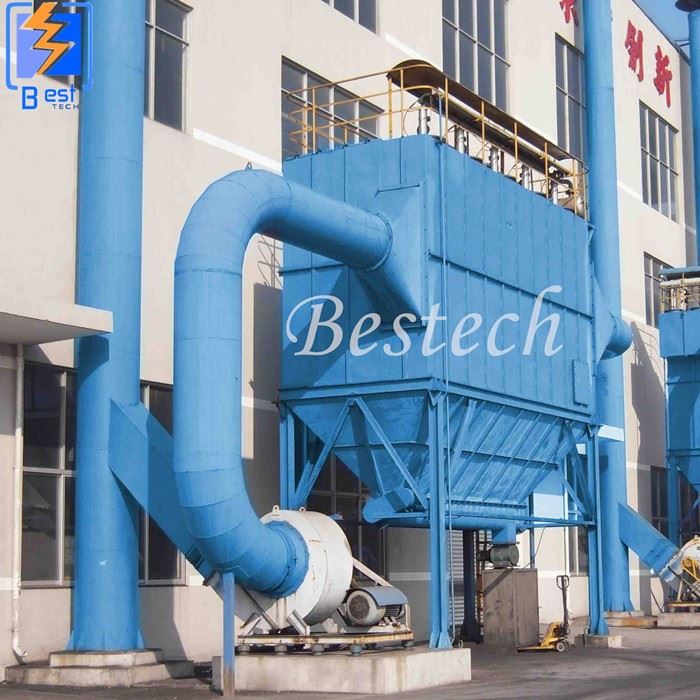
As a leading supplier of bag type dust collectors, we offer a range of solutions for high-temperature applications. Our High Temperature Baghouse Dust Collector is specifically designed to withstand extreme temperatures and harsh operating conditions. It features high-quality filter bags made from advanced materials, ensuring long-lasting performance and reliable filtration.
In addition, we also offer Bag Dust Collector For Coal Factory, which are tailored to the specific needs of coal processing facilities. These collectors are designed to handle the high temperatures and abrasive dust generated in coal handling and combustion processes.
Our Industrial Dust Collector are suitable for a wide range of industrial applications, including metalworking, cement production, and power generation. We work closely with our customers to understand their specific requirements and provide customized solutions that meet their needs and budget.
Conclusion
In conclusion, the high-temperature resistance of filter bags has a significant impact on the performance and longevity of bag type dust collectors. By selecting the right bag material and design, it is possible to minimize the negative effects of high temperatures and ensure reliable operation in even the most challenging industrial environments.
If you are looking for a reliable supplier of bag type dust collectors for high-temperature applications, please don't hesitate to contact us. Our team of experts is ready to assist you in choosing the right solution for your specific needs. We look forward to the opportunity to work with you and help you achieve your dust collection goals.
References
- "Baghouse Dust Collectors: Principles and Practices" by David W. Cooper and F. C. Alley
- "Industrial Air Pollution Control Technology Handbook" by Daniel C. Flagan and Richard H. Seinfeld
- "High-Temperature Filtration Materials and Applications" by A. K. Haghi and K. Ghoranneviss